new media installations and spaces
SELECTED RECENT WORK
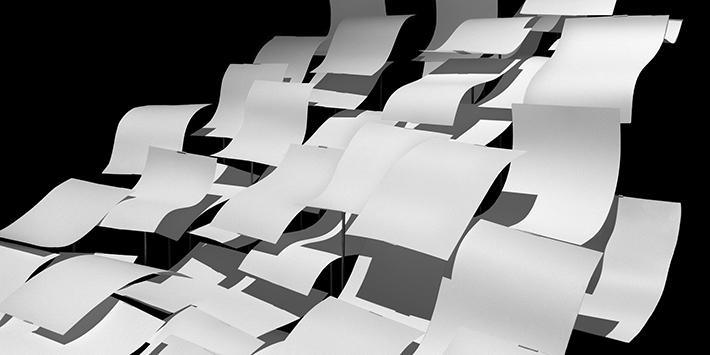
PETALCLOUDS | Singapore, 2018
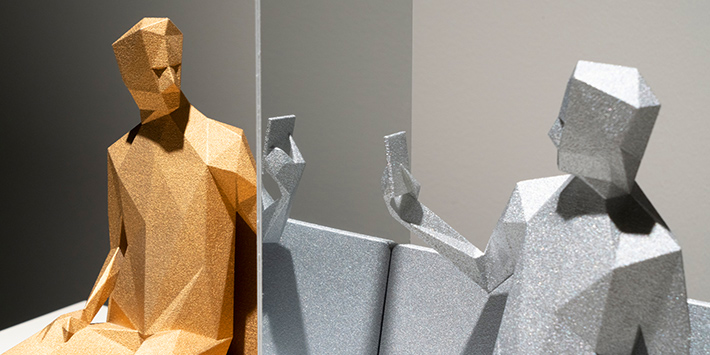
INSTAFACEWHATSNAP | 2018
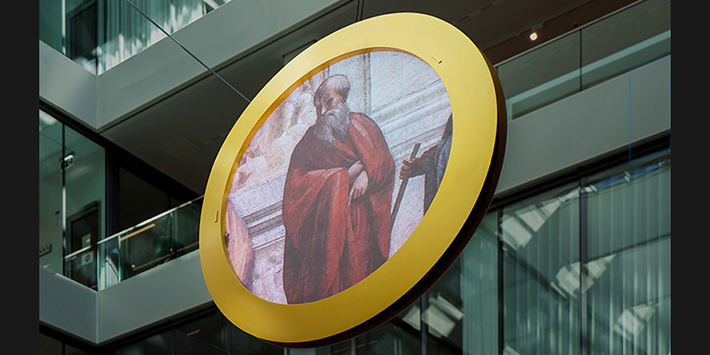
CHRONOS XXl | Rom, 2017
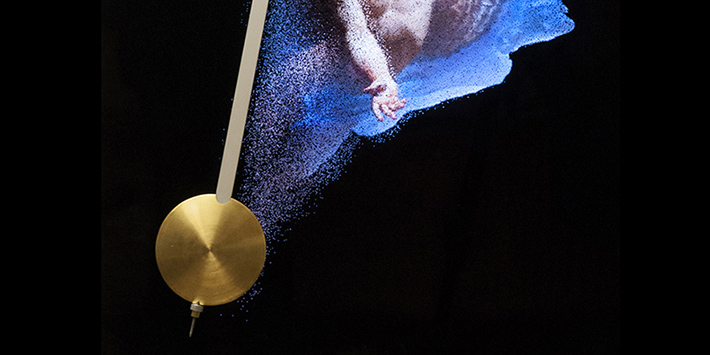
PENDULUM_CasaV | Mexico City, 2016
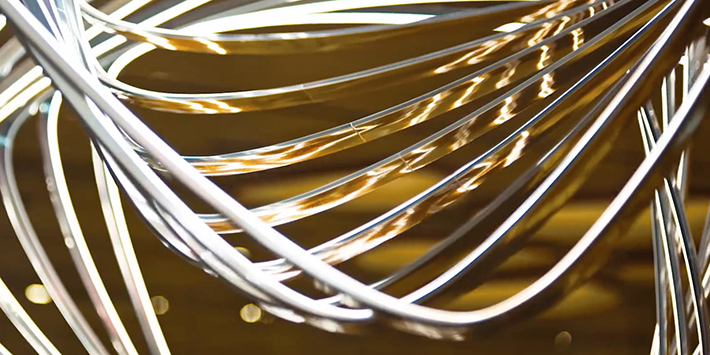
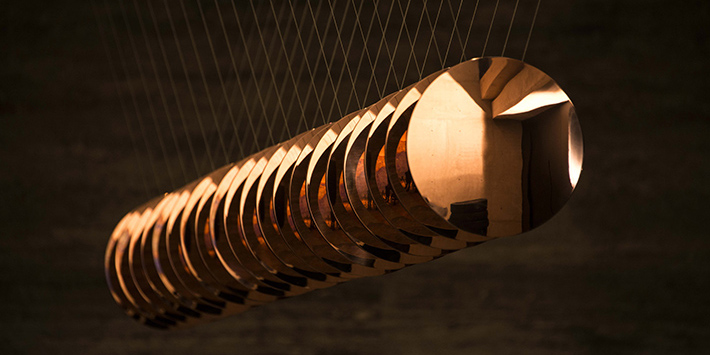
RGBCMYKinetic | Barcelona 2015, Gwangju 2016, Tokyo 2017
A LA RECHERCHE | Paris, 2014
SYMPHONIE CINETIQUE | Berlin, 2013
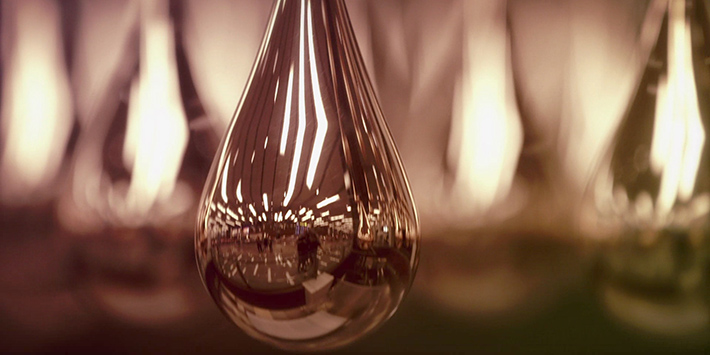
KINETIC RAIN | Singapore, 2012
RIVER IS ... | Gwangju, 2012
MOBILITY - REFLECTIVE KINEMATRONIC II | Shanghai, 2010
TRI | Berlin, 2013
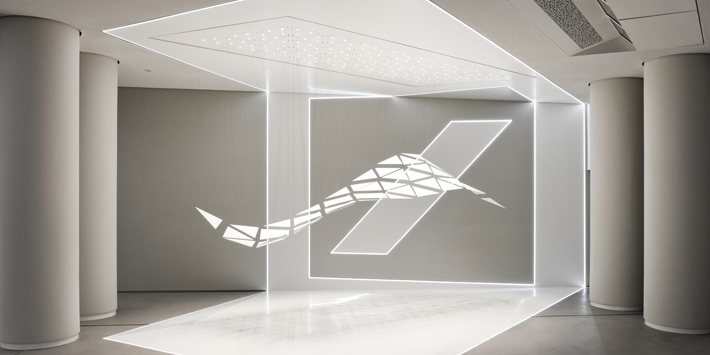
MANTA RHEI | Berlin, 2012
INK DROPS TO THE ORIGINS | South Korea, 2012
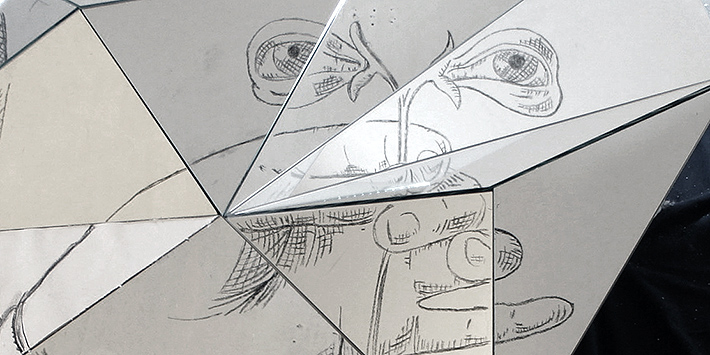
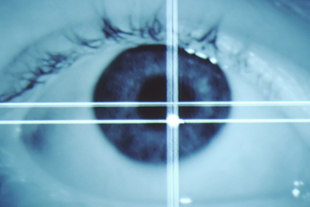
Les Eclats Dans L’Oeil (Eye-splinter) | Paris, 2013
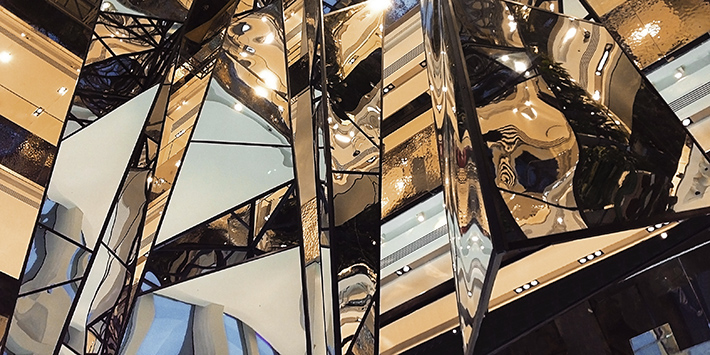
ANAMORPHIC MIRROR | Frankfurt, 2011
ANAMORPHIC KINETIC | Frankfurt, 2011
KINETIC SCULPTURE BMW | Munich, 2008
TETRASCOPE | Moscow, 2013
RESONANCE - REFLECTIVE KINEMATRONIC III | Alborg, 2010
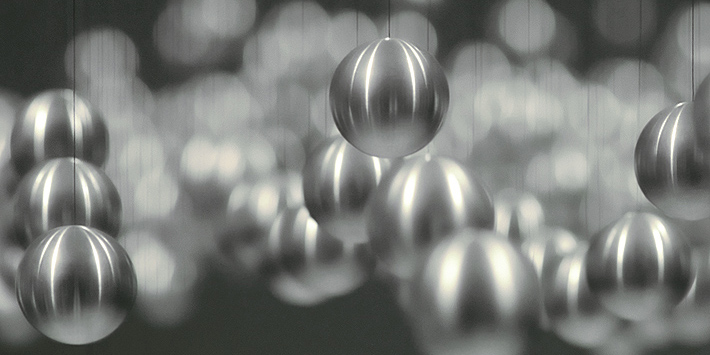
SPHERES | Munich, 2008
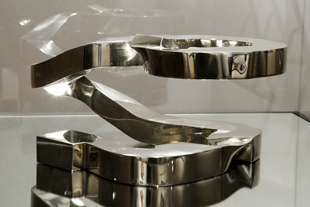
GRASP PENDULUM | Berlin, 2009
INFINITE CUBE - REFLECTIVE KINEMATRONIC I | Aalborg, 2010
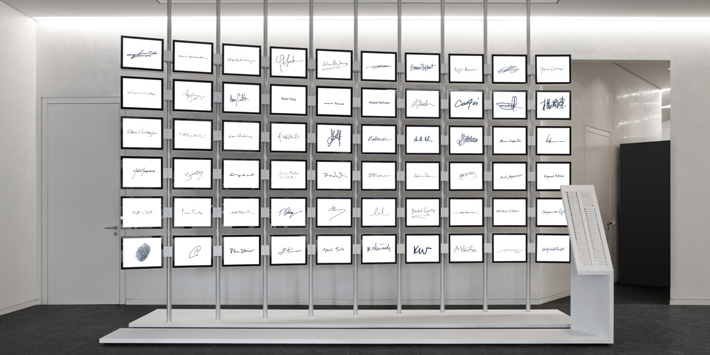
ARTWALL | Frankfurt, 2011
6060 | Berlin, 2009
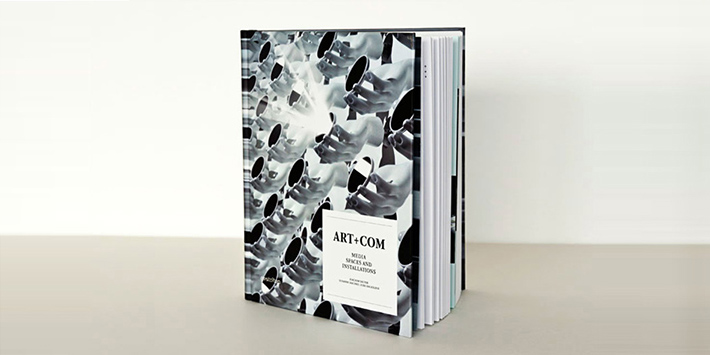
ART+COM - MEDIA SPACES AND INSTALLATIONS | Berlin, 2011
SELECTED WORK FROM THE PAST
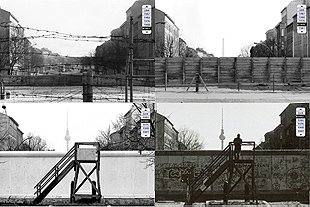
THE INVISIBLE SHAPE OF THINGS PAST Berlin, 1995-now
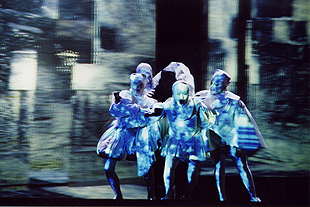
THE JEW OF MALTA Munich, 1999-2002
ZERSEHER 1992
DUALITY Tokyo, 2007
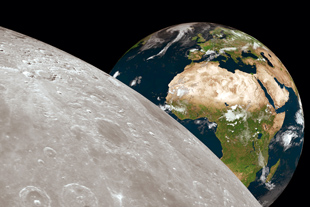
TERRAVISION 1994
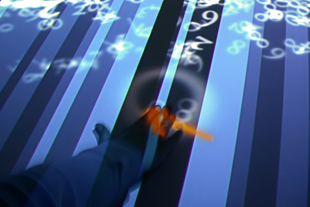
FLOATING.NUMBERS Berlin, 2004
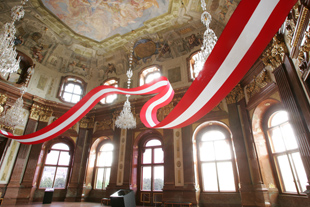
THE FLAG Vienna, 2005
SEVEN SCREENS Munich, 2008
COMPOSING THE LINES Berlin, 2003
DOCUMENTA TRUCK 2005
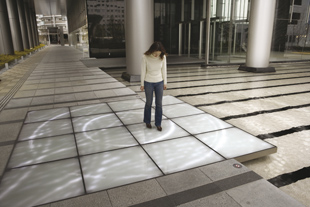
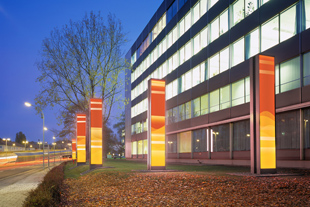
CORIAN LIGHTS Berlin, 2006
TIMESCOPE Berlin, 1995
BODYMOVER Hanover, 2000